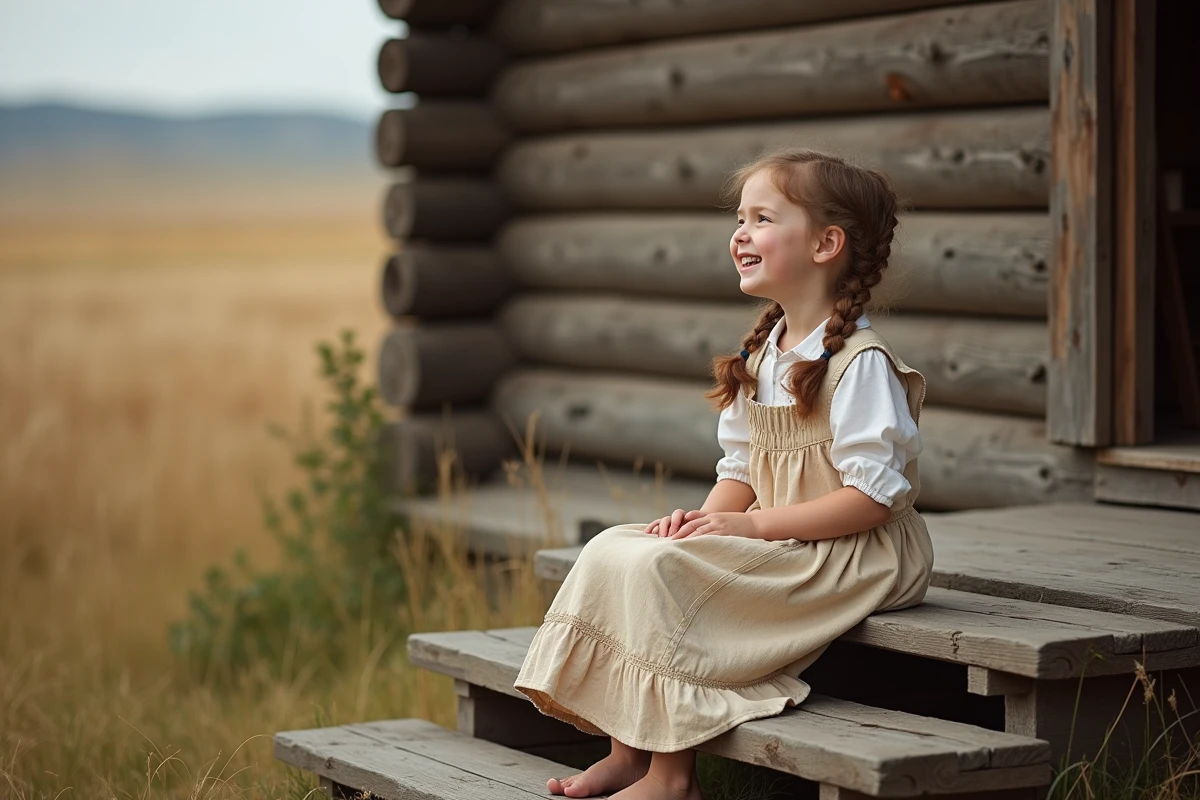
The pilot episode aired on American television in March 1974, but filming had begun several months earlier, under the pressure of a tight schedule imposed by the network. Michael Landon, already known for his role in “Bonanza,” wore multiple hats as producer, writer, and lead actor, a rare combination at the time on a family series set.
Some major scenes were shot in a single take for budgetary reasons, while the casting of the children did not meet NBC’s usual selection criteria. The behind-the-scenes stories generated as much intrigue as the fiction itself.
Why “Little House on the Prairie” Continues to Fascinate Generations
It’s not just a simple scent of nostalgia that envelops Little House on the Prairie. What allows it to transcend time is its way of bringing to life the strength of family bonds, the harshness of life in Walnut Grove, and that tangible solidarity that still resonates today. Carried by the voice and perspective of Laura Ingalls Wilder, the Ingalls family stands as a beacon, sincerely embodying the tenderness, resilience, and mutual support of an era when each day was a conquest.
This series does not merely paint an idealized picture of rural America. It captures the essence of a daily life filled with doubts, hopes, and struggles, exposing without filter the setbacks of a bygone way of life. From a long winter to a compromised harvest, from neighborhood disputes to simple great joys, each episode sketches true characters, both vulnerable and inspiring. Laura Ingalls and Nellie Oleson represent two poles: one, bravery and freshness; the other, sharp jealousy and pretense, making their confrontations unforgettable.
For enthusiasts, https://lapetitemaisondanslaprairie.fr/ offers an in-depth exploration of the series’ universe, ranging from sharp analysis of episodes to nods to the Ingalls way of life. This cult fiction has woven itself into the collective memory, connecting grandchildren, parents, and grandparents around shared values.
Several aspects explain this phenomenon and deserve attention:
- An atmosphere that blends harshness and warmth, embodied by the little house on the prairie where daily life demands courage and generosity.
- Unforgettable secondary characters: Melissa, Nellie Oleson, and other figures that add depth to the narrative.
- A storytelling style that conveys, across generations, genuine life lessons, amplifying the radiance of the house on the prairie.
Unexpected Behind-the-Scenes: Anecdotes and Secrets of Filming to Discover
Behind the peaceful facade of the little house on the prairie, filming took place at a brisk pace. Michael Landon, tireless, led the team with rigor and fervor: rising before the sun, prioritizing natural light, creating a close-knit atmosphere where everyone found their place. His way of directing, both firm and caring, left its mark on every episode, infusing the series with an extra soul.
Melissa Gilbert, who portrayed Laura, grew up in front of the camera, guided by Landon’s watchful eye. The young actors, often barefoot on an unforgiving Californian ground, embraced each scene with ease. Alison Arngrim, aka Nellie Oleson, often recounted the laughter caused by her wig and overly prim outfits, a striking contrast to her character’s explosive rivalry on screen.
Here are some revealing filming details that reflect the atmosphere and creativity of the team:
- The famous shot where Laura tumbles down the hill required only one take, filmed on a morning when the wind whipped through the artificial prairie.
- The sets, including the school, were moved from episode to episode, hastily modified to serve as backdrops for new plots.
- The family meals, filmed at dawn, forced the actors to gulp down stew before even having their first coffee of the day.
This collective energy, balancing discipline and camaraderie, shines through in the shared confessions on the fan site. Whether it’s prairie Melissa’s memories or prairie Nellie’s, all highlight the creativity and cohesion that animated the set. Rather than altering the myth, these anecdotes add an extra layer of humanity, prolonging the tenderness that the house on the prairie still evokes today.
Characters Who Evolve: Friendships, Rivalries, and Memorable Moments Through the Seasons
Over the seasons, Little House on the Prairie unfolds the complexity of the Ingalls family. Charles Ingalls, the cornerstone of the home, navigates between uncertainties and hopes, always seeking to provide his family with a better future in Walnut Grove. Laura, whose journey flows through the series, grows before our eyes: from childhood to adulthood, she embodies an unyielding curiosity and determination.
Surrounding her are deeply human secondary characters, starting with Nellie Oleson. Friendship, rivalry, alliances, and betrayals punctuate the small community, giving each episode a unique color. The tensions between Laura and Nellie, between tenderness and jealousy, bring forth moments imbued with a rare authenticity that leave a lasting impression on the viewer.
Several highlights punctuate this collective evolution:
- The arrival of new families disrupts routines, revealing both unexpected solidarity and jealousy.
- Grief, quiet victories, and moments of sharing forge the series’ memory, season after season.
In the background, the series paints a vivid portrait of rural America, marked by hope, loss, and rebirths. The house on the prairie becomes the stage for emancipations, failures, and reunions, where each trial leaves a mark on the protagonists and endlessly renews the magnetism of this saga. One certainty remains: as long as we dream of a cabin facing the wind, the little house will retain its evocative power.