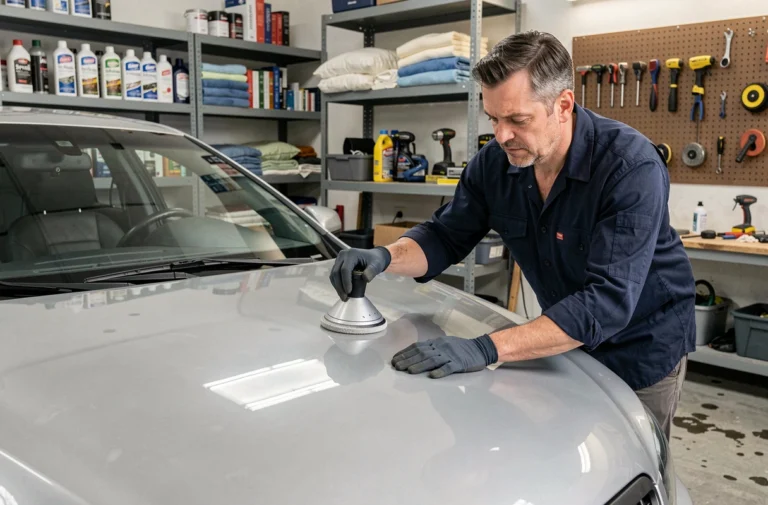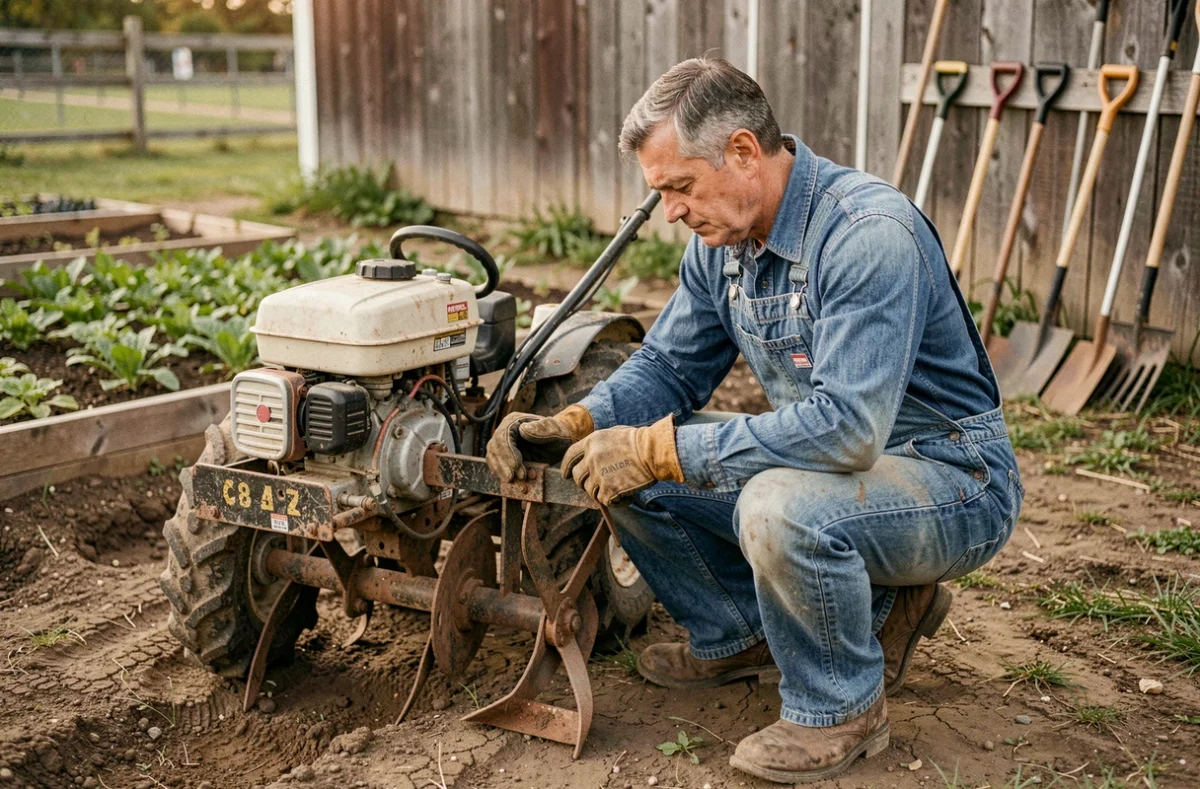
Mowing a meadow, turning over a large vegetable garden, clearing scrub on a slope: agricultural leisure activities sometimes call for equipment similar to that used on professional farms, but under very different conditions. Choosing the right equipment means taking into account the terrain, how often it will be used, and the legal requirements that apply to motorized machinery.
Agricultural leisure equipment and road approval: what the purchase doesn’t always tell you
You’ve spotted an attractive deal on a used rototiller, quad bike or small tractor. Before signing, one check is essential: an unapproved vehicle cannot be used just anywhere. Even on private land, registration, identification and insurance requirements vary depending on the vehicle category and its approval status.
An agricultural quad bike, for example, is subject to different rules from a recreational quad bike. The vehicle documents specify whether it can be driven on public roads, rural tracks or only within an enclosed plot. If these documents are missing or incomplete, the seller should be able to provide them before the sale.
This is especially important because owning private land does not automatically give you the right to drive off-road. Using motorized vehicles outside authorized areas can lead to penalties, even on your own property if it borders a protected area. Browsing Loisiragri’s equipment lets you compare models whose product sheets detail their conditions of use and approval status.
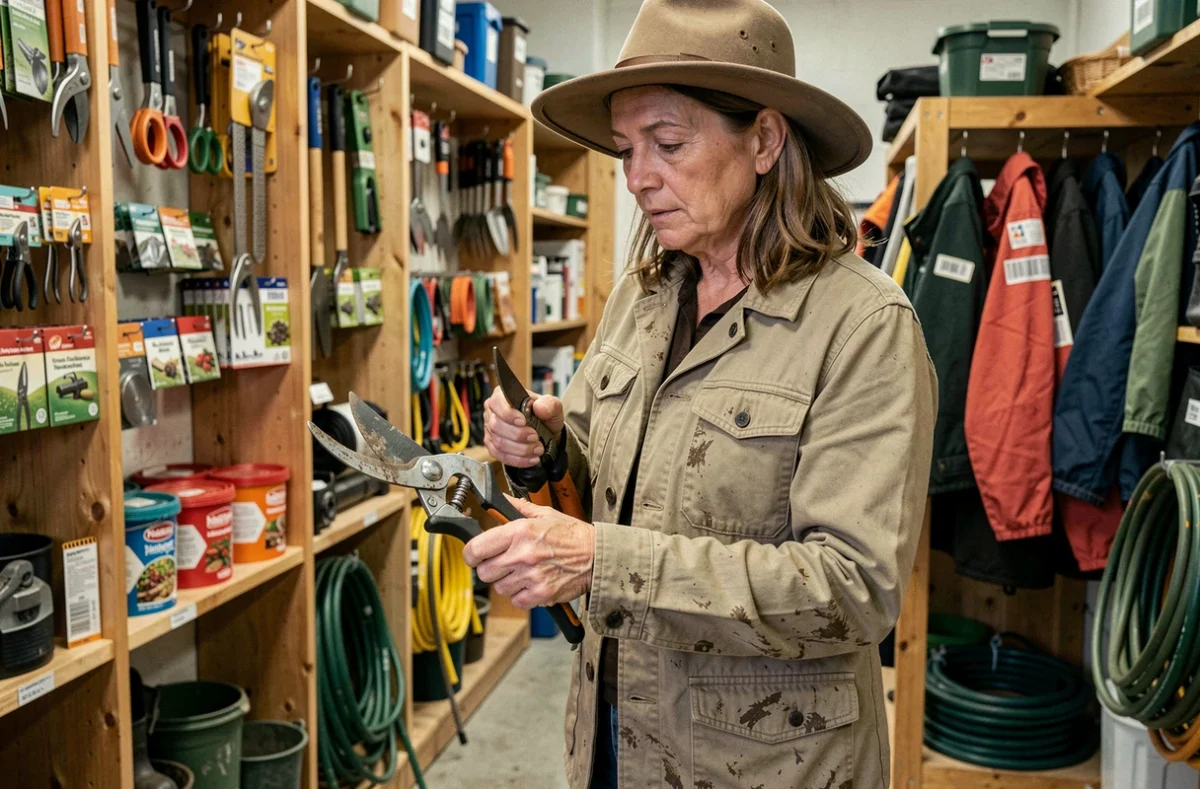
Match agricultural equipment to the terrain and how often you’ll use it
A common mistake is buying a tool that is too large or powerful for the job. A high-powered compact tractor may seem versatile, but on a modest plot used just a few weekends a year, its maintenance costs are disproportionate.
Land area and terrain determine the type of equipment you need
For flat land measuring a few hundred square metres, a rototiller is enough to prepare the soil. On a steep slope or uneven ground, a vehicle with driven wheels and a low centre of gravity is essential for safe operation.
How often you use the equipment matters just as much as the size of the plot. A tool used twice a year doesn’t warrant the same investment as one used every week. Ask yourself: how many hours of work will this equipment actually do in a season?
Clay soil and sandy soil call for different tools
Heavy clay soil requires robust tillage tools, such as a plough or a cultivator with rigid tines. Light, sandy soil can be worked with finer tools, such as a rotary harrow or cultivator claws. Using the wrong tool damages the soil structure and causes the machine to wear out prematurely.
- Clay soil: choose tools with forged tines that can penetrate compacted ground without overloading the tractor’s engine.
- Sandy or silty soil: disc or lightweight tine tools are sufficient and help preserve soil structure by preventing excessive crumbling.
- Sloping ground: choose a vehicle with a locking differential or hydrostatic transmission to maintain control on uphill and downhill runs.
Equipment safety and maintenance: two often-overlooked factors
The purchase price gets all the attention. Safety and maintenance are often overlooked, even though they determine the equipment’s actual lifespan and how safely and reliably it can be used.
Checking mechanical components and clearing away dust build-up are among Groupama’s recommendations for preventing fires during harvests. The same advice applies to agricultural leisure activities: a rototiller with a clogged air filter or worn belts poses a risk every time it is used.
Before buying, check that spare parts are available. Equipment from a manufacturer that has stopped producing parts can quickly become unusable. Ask the seller for the exact model reference, then check whether parts suppliers stock it.
Adjust working hours to the weather
Working the land in extreme heat accelerates mechanical wear and increases the risk of fire. Working in the early morning or late afternoon helps protect both the user and the equipment. This is especially important when using brush cutters and petrol-powered machinery near dry vegetation.
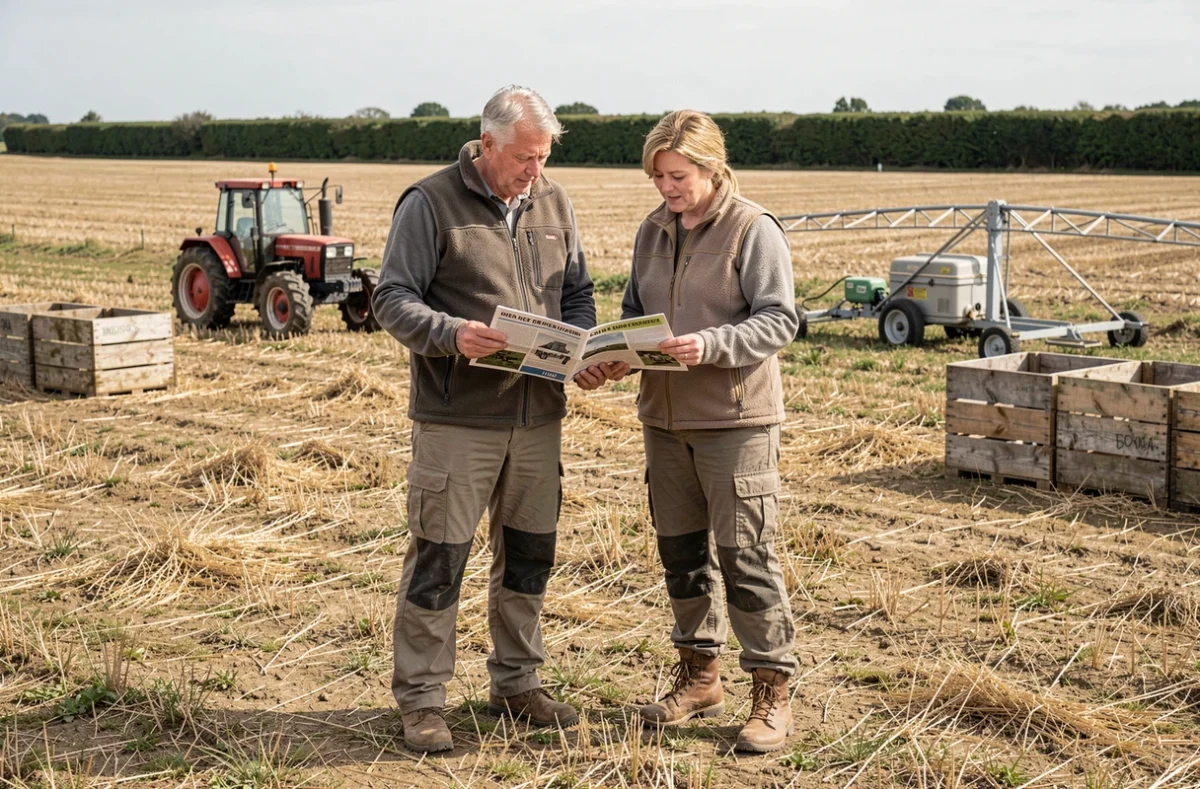
Buying agricultural equipment individually or sharing it
Buying on your own isn’t the only option. Sharing equipment, through a CUMA or an agreement with neighbours, makes it possible to split the cost of expensive machinery. However, an October 2026 article in La France Agricole points out that third-party liability insurance is compulsory for motorized vehicles, even when they are shared.
Before sharing equipment, check three things:
- Does the insurance cover each user by name, or only the registered owner?
- Is the equipment’s condition recorded in a shared document, such as a maintenance log or dated photos, to prevent disputes if it breaks down?
- Have booking and return arrangements been agreed in writing, even between friends or neighbours?
Sharing works particularly well for equipment used just a few days a year, such as a log splitter, garden shredder or mini excavator. For a tool used every week, buying your own is more convenient.
The true cost of agricultural leisure equipment: more than the purchase price
The advertised price is only part of the expense. Fuel, routine maintenance, storage and insurance all contribute to the true cost of agricultural leisure equipment. A small tractor needs covered storage to prevent corrosion. A petrol-powered rototiller needs an oil change and a new spark plug each season.
Comparing two models based only on their purchase price often leads to choosing the cheaper one, which can turn out to be more expensive to maintain over three or four years. Asking the dealer how much annual servicing costs before you buy gives you a more accurate picture of the total budget.
Well-sized, properly maintained equipment lasts longer than a neglected high-end model. Your choice should therefore take into account the terrain, frequency of use, overall budget and your ability to carry out regular maintenance—not just the specifications.