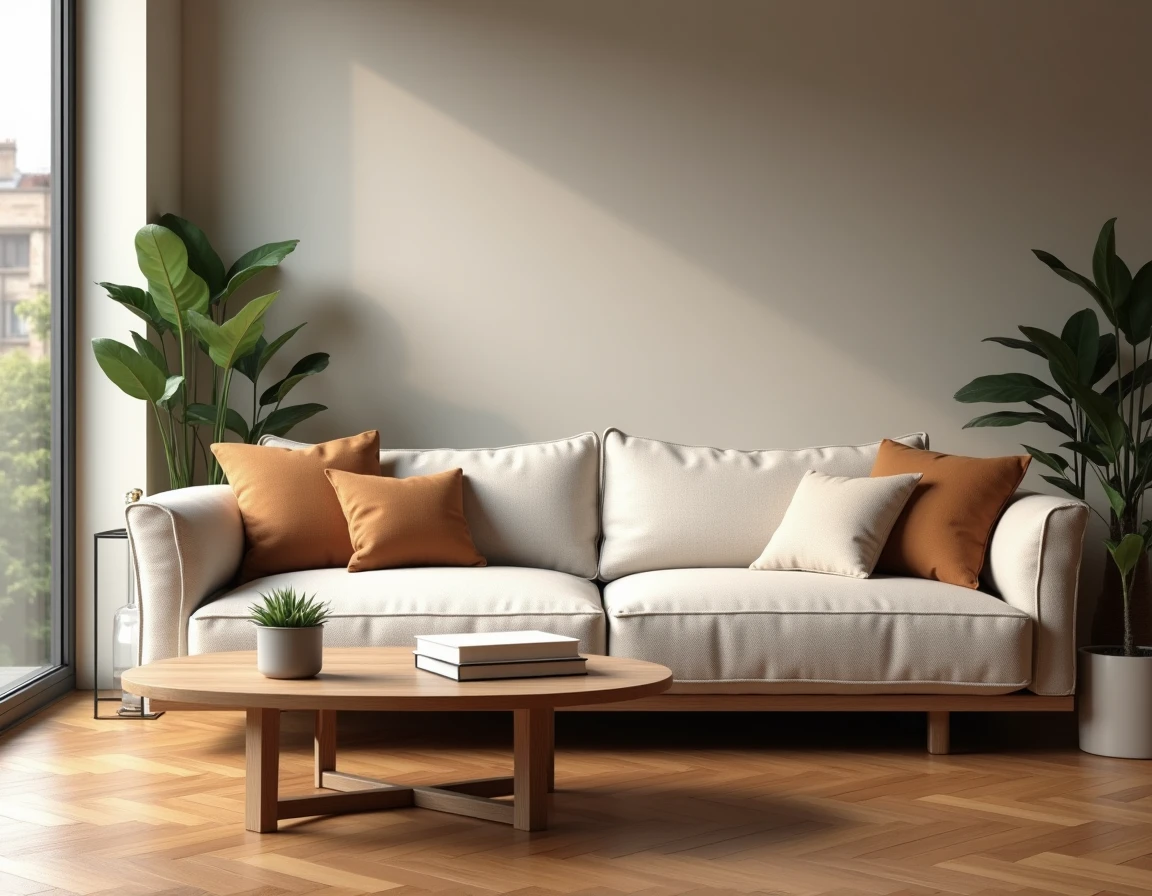
Between the choice of colors, the flow within the rooms, and the actual comfort in daily life, arranging and decorating one’s home involves parameters that are rarely considered in relation to each other. Which lever produces the greatest perceived comfort difference for the same budget: light, acoustics, passive thermal comfort, or modular furniture?
Acoustic comfort in an open interior: the neglected factor of decoration
Most decor guides focus their recommendations on colors, light, and furniture. Sound comfort, however, is often absent from the majority of advice lists, even though it directly affects the quality of life in a living room or open kitchen.
In an open space, every hard surface (tiles, polished concrete, large bay windows) amplifies reverberation. Conversations overlap, and kitchen noise invades the living room. A few well-chosen decorative elements can radically change this situation.
- Thick curtains and long-fiber rugs absorb a significant portion of reflected sounds without requiring any construction work.
- Textile wall panels, sometimes sold as mere decorative elements, play a real acoustic role when they cover at least one wall out of three in the main room.
- Upholstered furniture (fabric sofa, tufted armchair) contributes to sound absorption, unlike wooden or bare metal seating.
An interior that feels “warm” without knowing why often owes this sensation to good acoustic absorption rather than just the color palette. Considering sound comfort from the choice of furniture and textiles helps avoid costly corrections later on.
To explore the different dimensions of home arrangement, you can visit opusmedia.fr to learn more about approaches that combine style and functionality.
Passive thermal comfort and decoration: how materials change from room to room
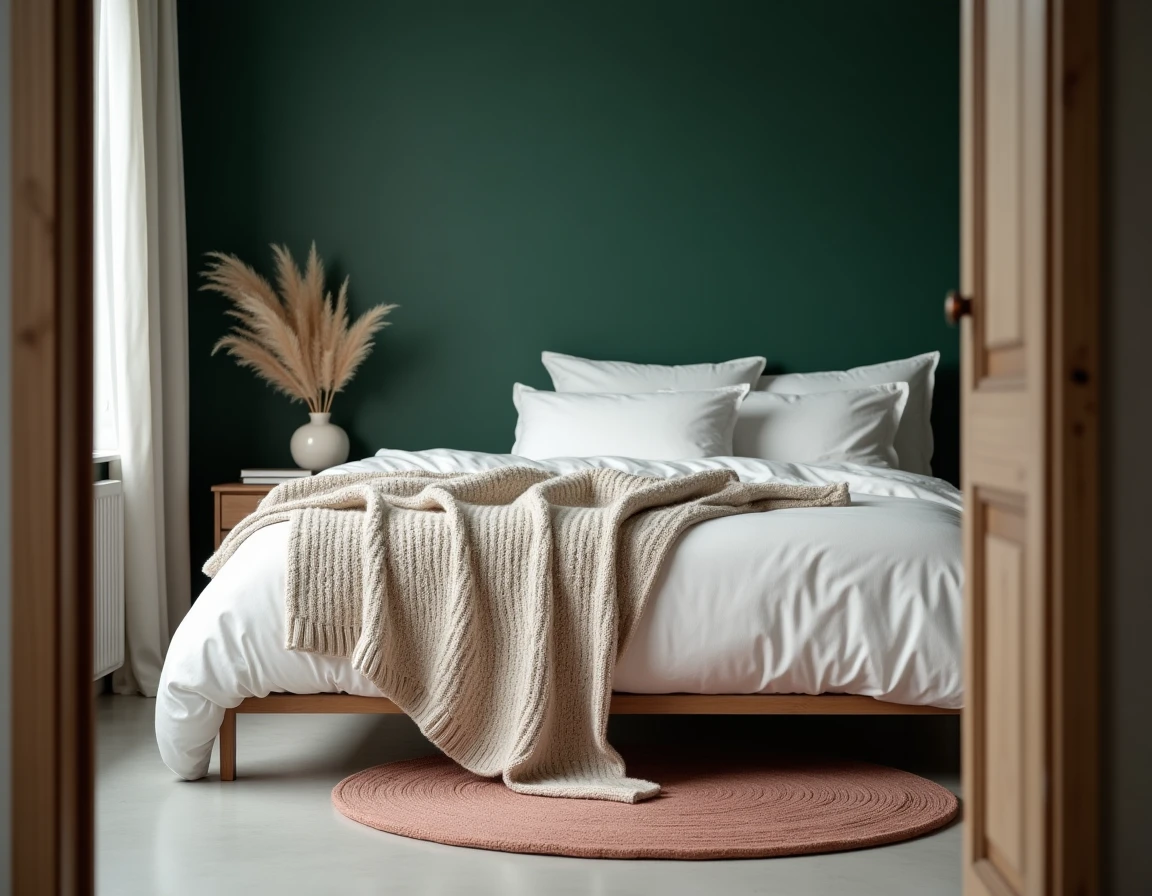
Recent recommendations in interior design emphasize passive thermal comfort, meaning the ability of a space to remain pleasant without constant reliance on heating or air conditioning. This comfort largely depends on decoration choices that are often perceived as purely aesthetic.
| Decorative element | Thermal effect in winter | Thermal effect in summer |
|---|---|---|
| Thick lined curtains | Reduce heat loss through windows | Block direct solar radiation |
| Wool rugs on hard floors | Insulate against cold by contact with the floor | Neutral effect |
| Interior shutters or blinds | Additional insulating layer | Effective sun protection |
| Exposed stone or brick walls | Thermal inertia (release heat) | Thermal inertia (absorb nighttime coolness) |
The choice of flooring, wall covering, or textile is not just a matter of style. A lined curtain placed in front of a bay window acts both as a decorative element and as a thermal regulator. In a south-facing bedroom, this dual function makes a tangible difference in summer comfort.
Exposed stone or brick, often chosen for their aesthetic appeal in a living room, offer natural thermal inertia. They store heat during the day and release it gradually. In contrast, a wall entirely covered with painted drywall provides no passive regulation, regardless of the chosen color.
Arranging a hybrid space: living room, office, and bedroom in the same room
Arranging small spaces has gone beyond the simple logic of saving space. The current trend focuses on the real versatility of rooms, meaning their ability to change use depending on the time of day.
A living room that transforms into an office in the morning and then into a relaxation space in the evening requires concrete solutions. Modular furniture (extendable table, foldable desk, rail partition) is no longer a gadget: it structures daily life in homes where space necessitates overlapping functions.
Creating zones without partitioning
Light partitions (wooden screens, through shelving, curtain on a rod) allow for visually defining a telecommuting corner in a living room without sacrificing natural light. Invisible storage (drawers under seats, double-bottom furniture) frees up floor space, making it possible to transition from one use to another without moving the furniture.
The basic rule: each piece of furniture must justify its presence by at least two functions. A sofa bed is not enough; it must also include storage. A coffee table should be able to rise to serve as a work surface. This criterion quickly eliminates purely decorative furniture that takes up space without contributing to daily life.
Colors and natural light: adapting the palette to the orientation of each room
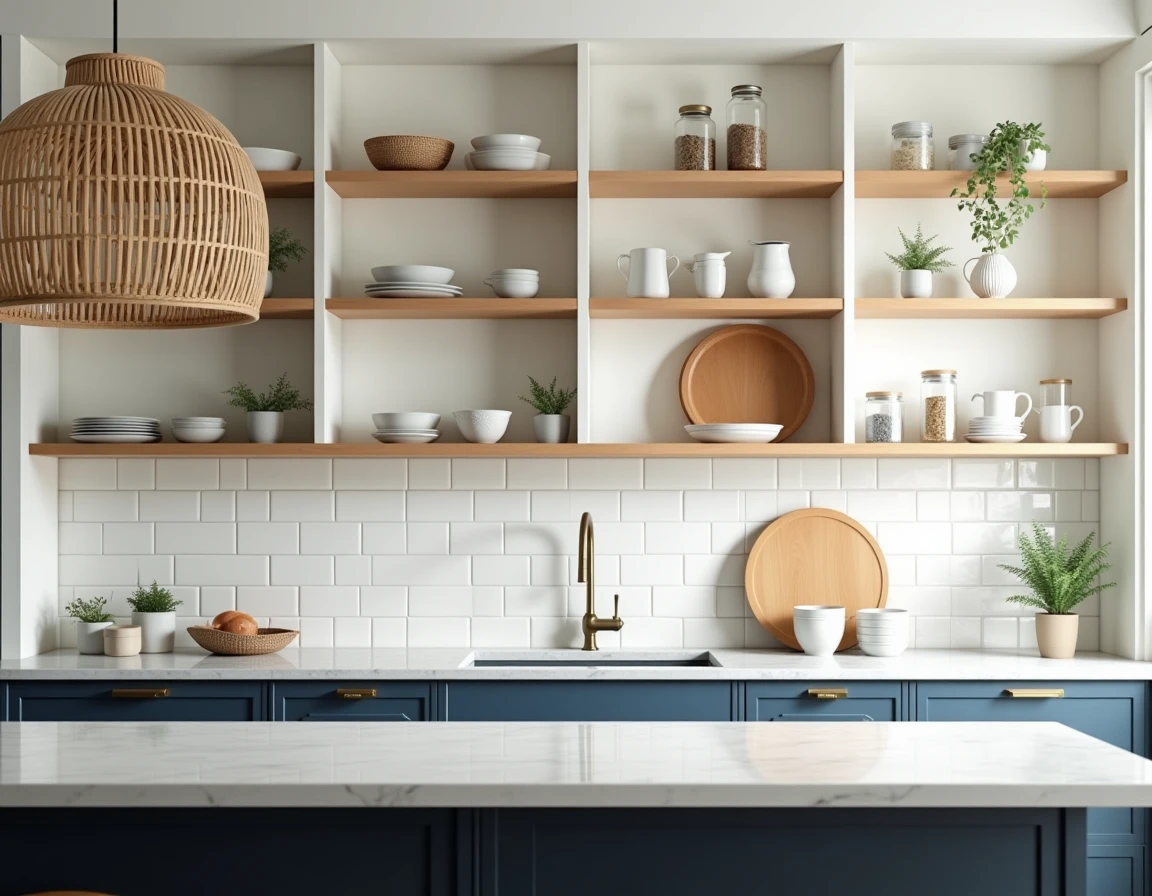
Applying the same shade in all rooms of a house produces very uneven results depending on the orientation. A warm color (terracotta, ochre) in a south-facing room amplifies the feeling of warmth in summer. The same shade in a north-facing room compensates for the lack of brightness and creates an enveloping atmosphere.
Adapting the color palette to the actual orientation of each room generates a perceived comfort difference far greater than choosing a uniform decor trend. East-facing rooms, which receive morning light, can support cool tones (blue-gray, sage green) without appearing cold. West-facing rooms, bathed in low light at the end of the day, benefit from remaining in neutral tones to avoid visual saturation.
Multiplying light sources rather than watts
A single ceiling light, even powerful, flattens volumes and creates unflattering shadow areas. Three to four light points distributed within the same room (reading lamp, wall sconce, indirect lighting behind a piece of furniture) create a more comfortable ambiance. The distribution of sources matters more than the total wattage.
Light bulbs with variable color temperatures allow for transitioning from a cold, stimulating light in the morning to a warm, soothing light in the evening, in the same room and with the same fixture. This technical detail, rarely mentioned in classic decor guides, significantly alters the perception of space at every hour of the day.
Decorating a home with style and comfort relies less on following trends than on understanding the physical mechanisms at play: acoustics, thermal comfort, light, and flow. These measurable parameters, often masked behind seemingly aesthetic choices, separate a pleasant interior from one that is merely pretty.