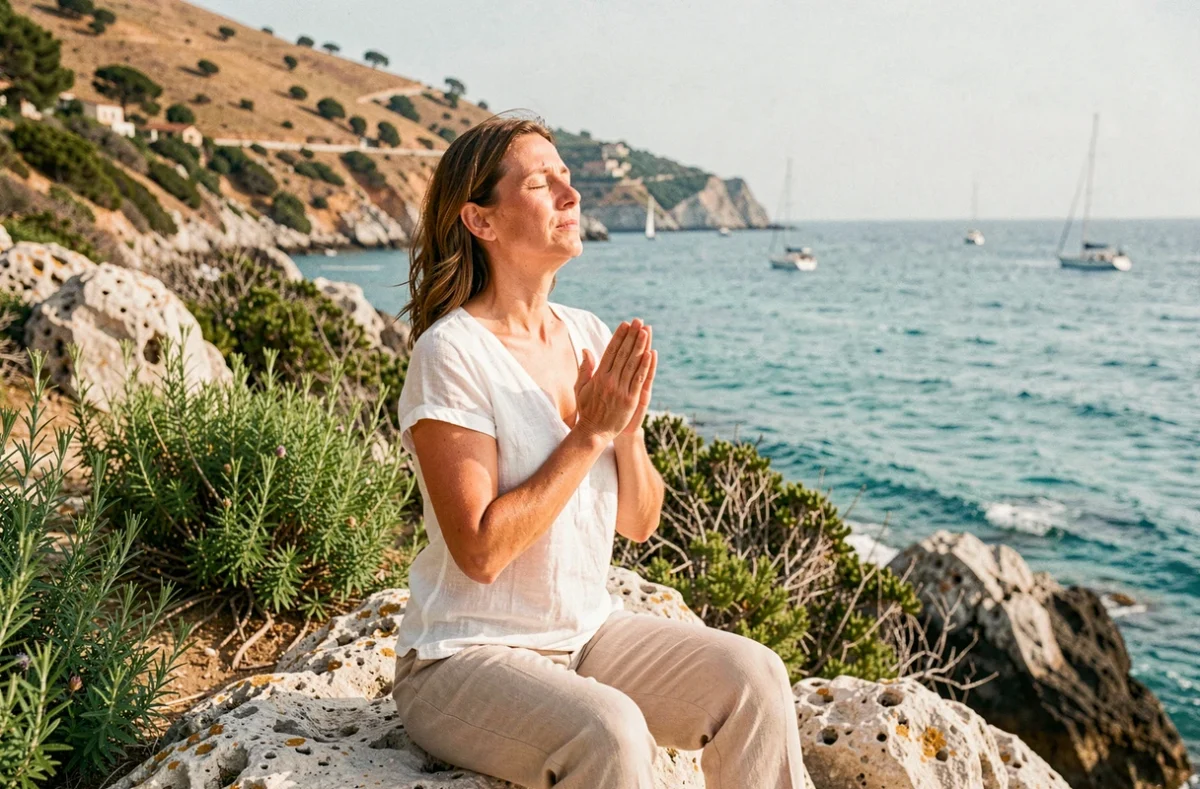
The French Riviera boasts some of the highest sunshine levels in mainland France and a Mediterranean coastline that encourages outdoor living. This setting, often associated with well-being, also exposes individuals to specific health constraints: prolonged heat, intense UV radiation, and summer pollution peaks. Preserving health in the region requires understanding these factors and adapting habits accordingly.
Thermal Risk in Provence-Alpes-Côte d’Azur: Beyond the Heatwave
Wellness guides on the French Riviera rarely mention the risks associated with heat other than providing sun protection advice. Data from Public Health France paints a more serious picture: the region experienced three heatwave episodes during the summer of 2025, with 712 heat-related deaths throughout the season.
An official heatwave is defined as exceeding departmental temperature thresholds for at least three consecutive days and nights. Public Health France also distinguishes between a heat spike, which may last only one or two days. Even without an official alert, intense physical activity, poorly ventilated housing, or prolonged professional exposure can lead to dehydration, exhaustion, or heat stroke.
The elderly and those suffering from chronic illnesses are the most vulnerable. Adapting one’s living space is often an underestimated preventive measure compared to mere hydration: closing shutters during the day, ventilating at night when outdoor temperatures drop, and frequenting cooled places during the day. These reflexes are as protective as drinking regularly.
Healthcare professionals along the azure coastline support these preventive challenges throughout the year. The network Riviera Santé brings together practitioners and structures that guide patients toward care pathways suited to the local climate context.
Mediterranean Diet and Health: What Research Really Links
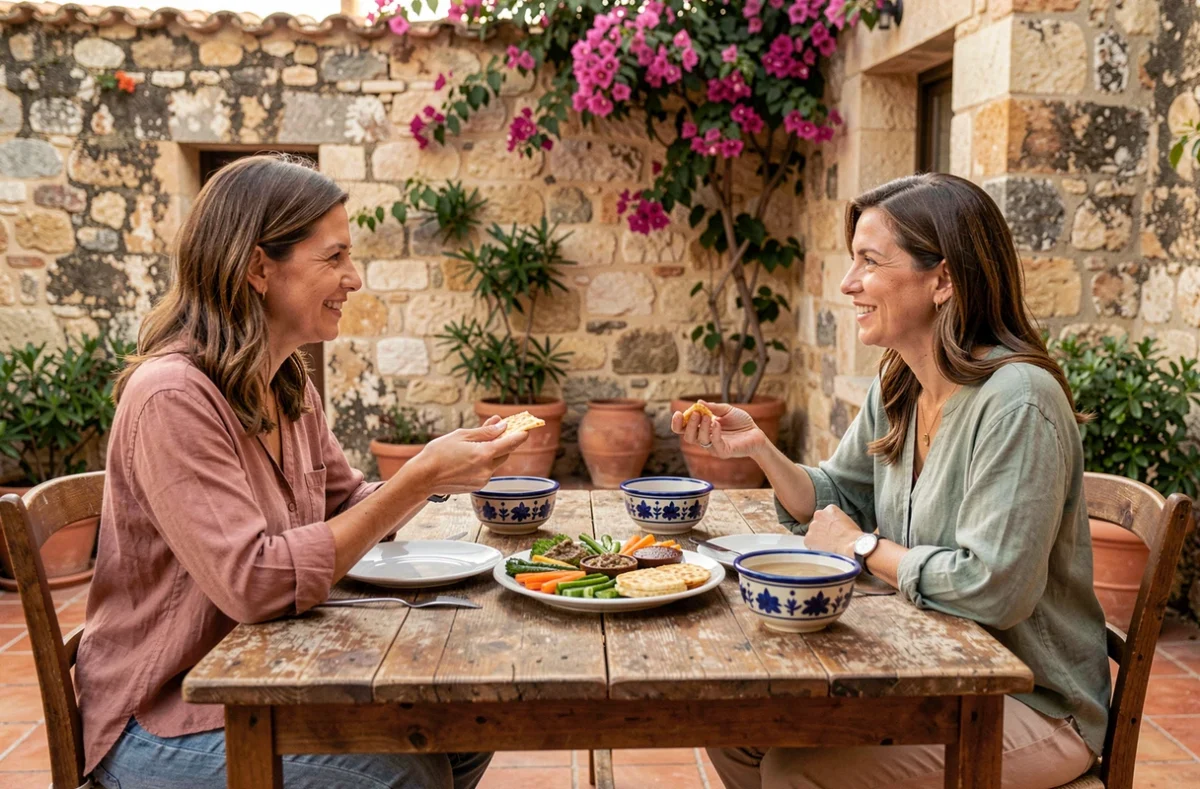
The Mediterranean dietary model (olive oil, vegetables, fruits, legumes, grains, fish, herbs) is one of the most studied in nutritional epidemiology. The World Health Organization classifies it among the regional dietary models favorable to health. Available research associates it with better cardiovascular health and a reduced risk of certain non-communicable diseases.
On the French Riviera, local markets (Cours Saleya in Nice, Forville Market in Cannes) make these products accessible year-round. The proximity between producers and consumers facilitates the supply of seasonal fruits and vegetables, which retain more micronutrients than products that have traveled long distances.
Fermented Foods and Herbs: Keeping Perspective
Yogurt, olives, and lacto-fermented vegetables are part of the regional culinary tradition. Their benefits for the gut microbiota are the subject of research, but no definitive health claims can be made at this stage for foods consumed in a typical dietary context.
Provençal herbs (thyme, rosemary, basil, oregano) provide antioxidant compounds. Their main advantage remains culinary: they allow seasoning without excessive salt, which indirectly contributes to the prevention of hypertension.
Physical Activity on the Azure Coast: Choosing the Right Time
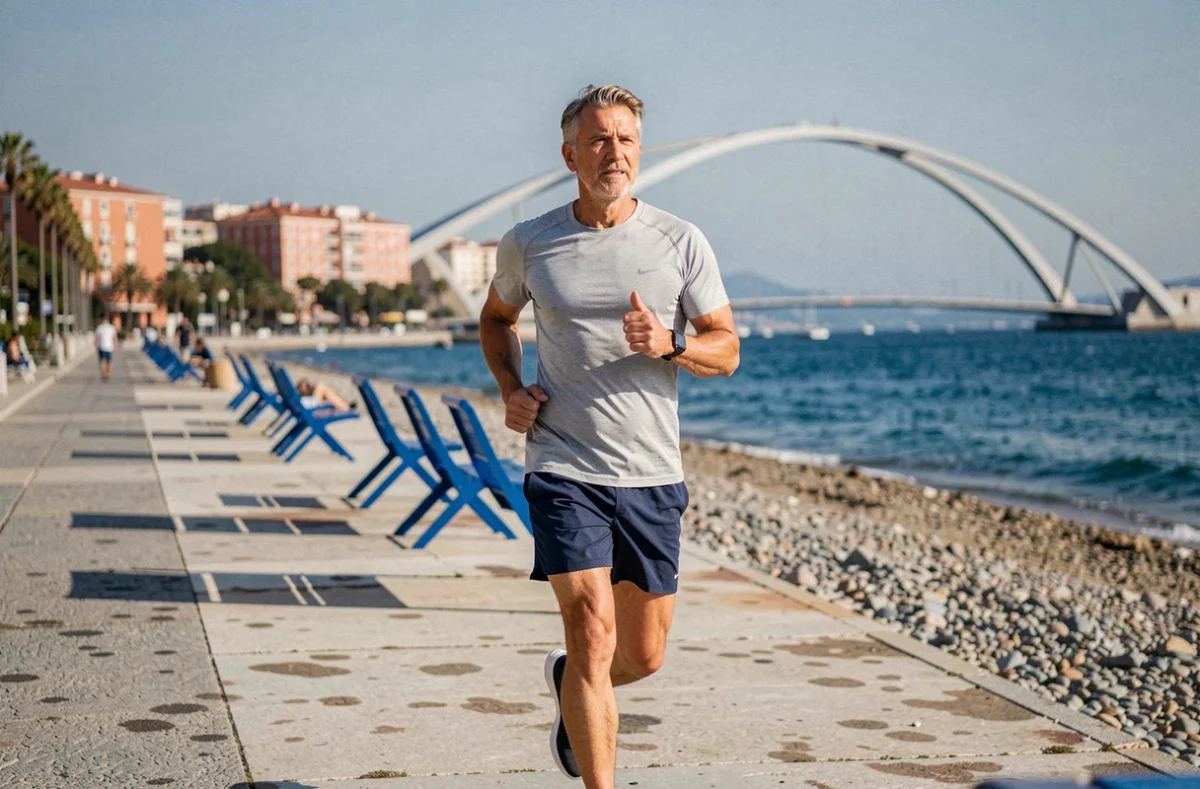
Walking, swimming in the sea, and cycling are among the most practiced activities on the French Riviera. The terrain between the sea and the hinterland offers varied landscapes, from coastal paths to hiking trails in the Nice hinterland or the Esterel massif.
The benefits of regular physical activity on health are well-documented. However, exercising during the hottest hours negates some of these benefits and increases the risk of discomfort. Public Health France explicitly recommends reducing physical efforts during periods of extreme heat.
The safest times during the summer:
- Early in the morning, before temperatures exceed comfort thresholds (generally before 9 AM in summer on the Alpes-Maritimes coastline)
- In the late afternoon, after 7 PM, when the UV index decreases and the sea breeze cools the perceived temperature
- In aquatic environments (swimming, aquagym), where body thermoregulation is facilitated by contact with water
Sun Protection and Air Quality: Two Linked Parameters on the French Riviera
Ultraviolet radiation reaches high levels along the Mediterranean coastline for much of the year, not just in summer. Daily sun protection (appropriate cream, covering clothing, hat, sunglasses) is a basic dermatological preventive measure, not just a matter of comfort.
Air quality is a less visible but equally concrete parameter. Ozone pollution episodes are common during periods of extreme heat along the coastal strip. Tropospheric ozone irritates the respiratory tract and exacerbates asthma or chronic bronchial conditions. On peak days, limiting outdoor physical activity between 12 PM and 4 PM protects the airways as much as the lungs.
Adapting Daily Prevention
Some concrete measures complement protection against the sun and heat:
- Check the UV index and air quality bulletin before any prolonged outing
- Maintain regular hydration without waiting for thirst, especially in the elderly whose thirst mechanism is diminished
- Opt for loose, light-colored clothing that facilitates sweat evaporation
- Identify in advance cooled places (libraries, shopping centers, air-conditioned public spaces) in case of a heat peak
Well-being on the French Riviera relies less on an idealized lifestyle than on a concrete adaptation to local climatic constraints. Heat kills more than what the postcard suggests, and the most effective preventive actions are often the least spectacular: closing a shutter, rescheduling an outing, checking a UV index. It is through this daily attention that the Mediterranean setting truly becomes conducive to health.